MemoHoney Official Website › Blog › What a Lot Reference Can Track, and What It Cannot Prove
What a Lot Reference Can Track, and What It Cannot Prove
MemoHoney prints a lot and certificate reference. Here is what those filing identifiers can help a buyer ask about, and what they cannot establish.
Read the two identifiers as references
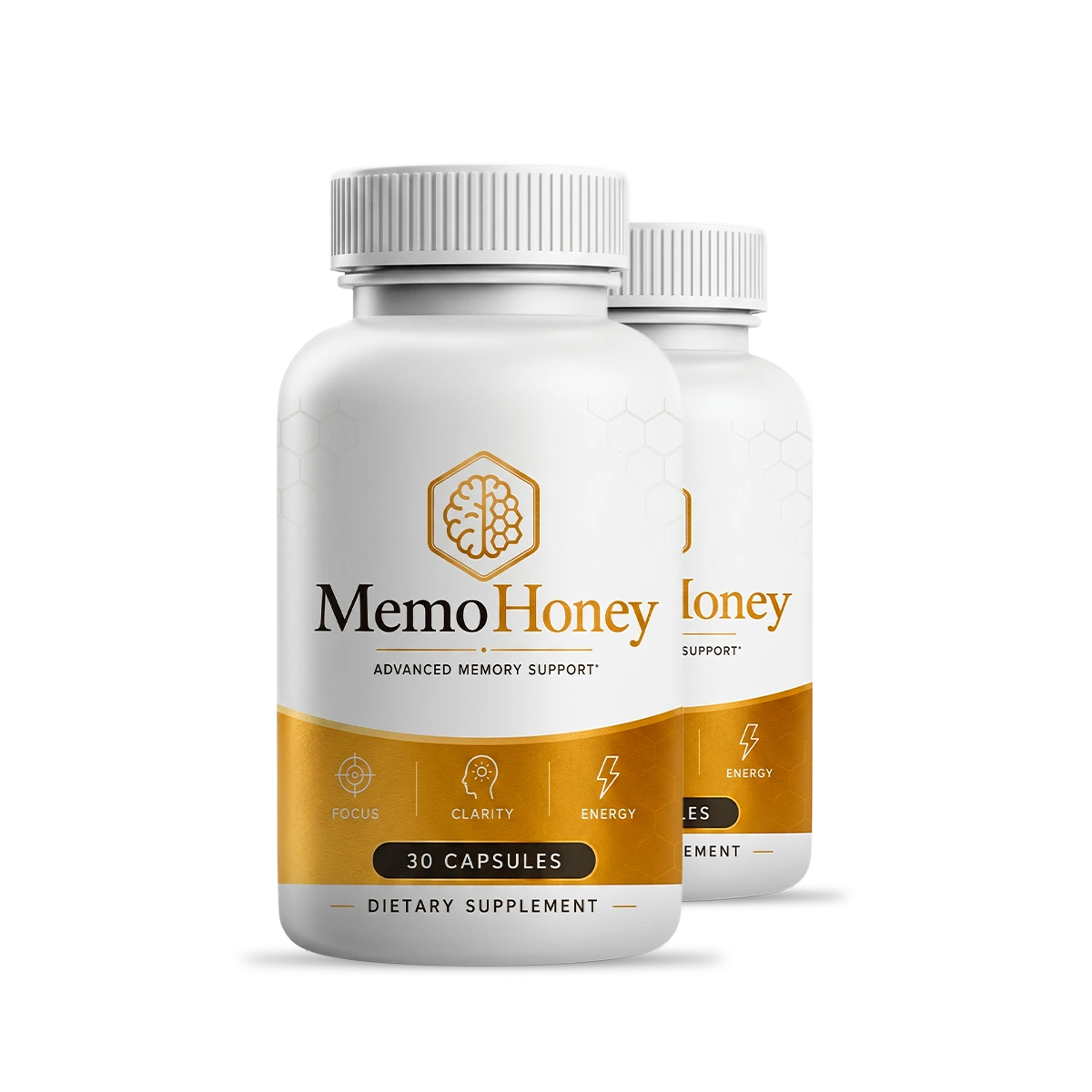
The MemoHoney pack records lot MEM-26/ME-7725 and certificate reference MEM-7725-26-ME. A lot reference is an identifier attached to a production run or a seller's filing system. A certificate reference is another identifier a seller can use when responding to a question about that record. Both are more specific than a product name, which is why it is sensible to keep them with an invoice, the date of delivery and a photograph of the bottle you received.
The useful verb here is locate, not prove. An identifier can help a buyer and a seller make sure they are talking about the same bottle. It can also help a buyer state exactly which pack they mean if the label is damaged, an order needs checking or a return is being discussed. It does not show the contents of a file, the method used to create it, or whether an independent laboratory tested it.
| What is printed | What it can help identify | What it does not establish |
|---|---|---|
| Lot MEM-26/ME-7725 | The recorded MemoHoney production or filing reference | Ingredient identity, amount, purity or safety |
| Certificate reference MEM-7725-26-ME | The reference to cite when asking for supporting paperwork | That a certificate has been published or independently reviewed |
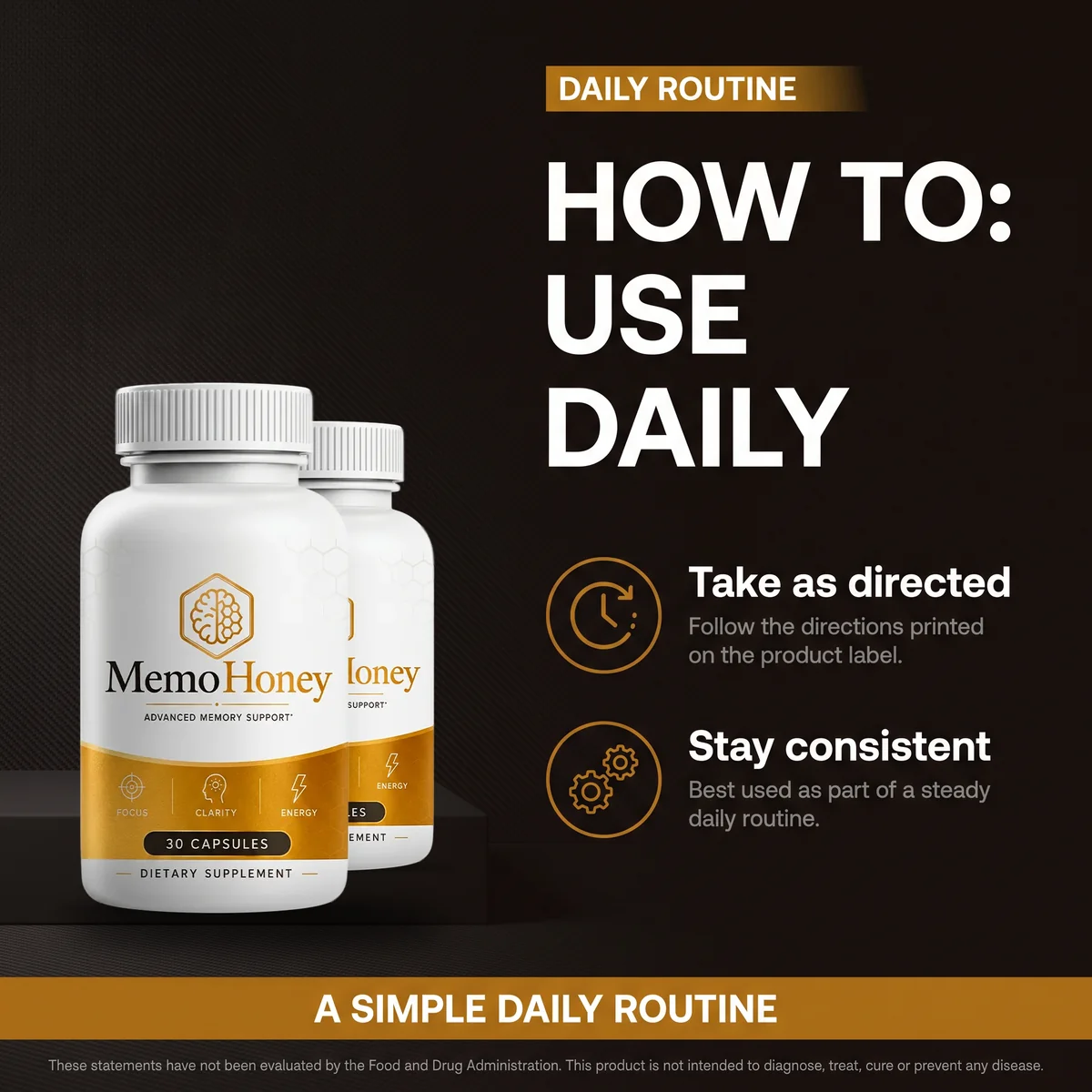
| 30 capsules | The bottle count and a 30-day one-capsule routine | How much of any named ingredient is in a capsule |
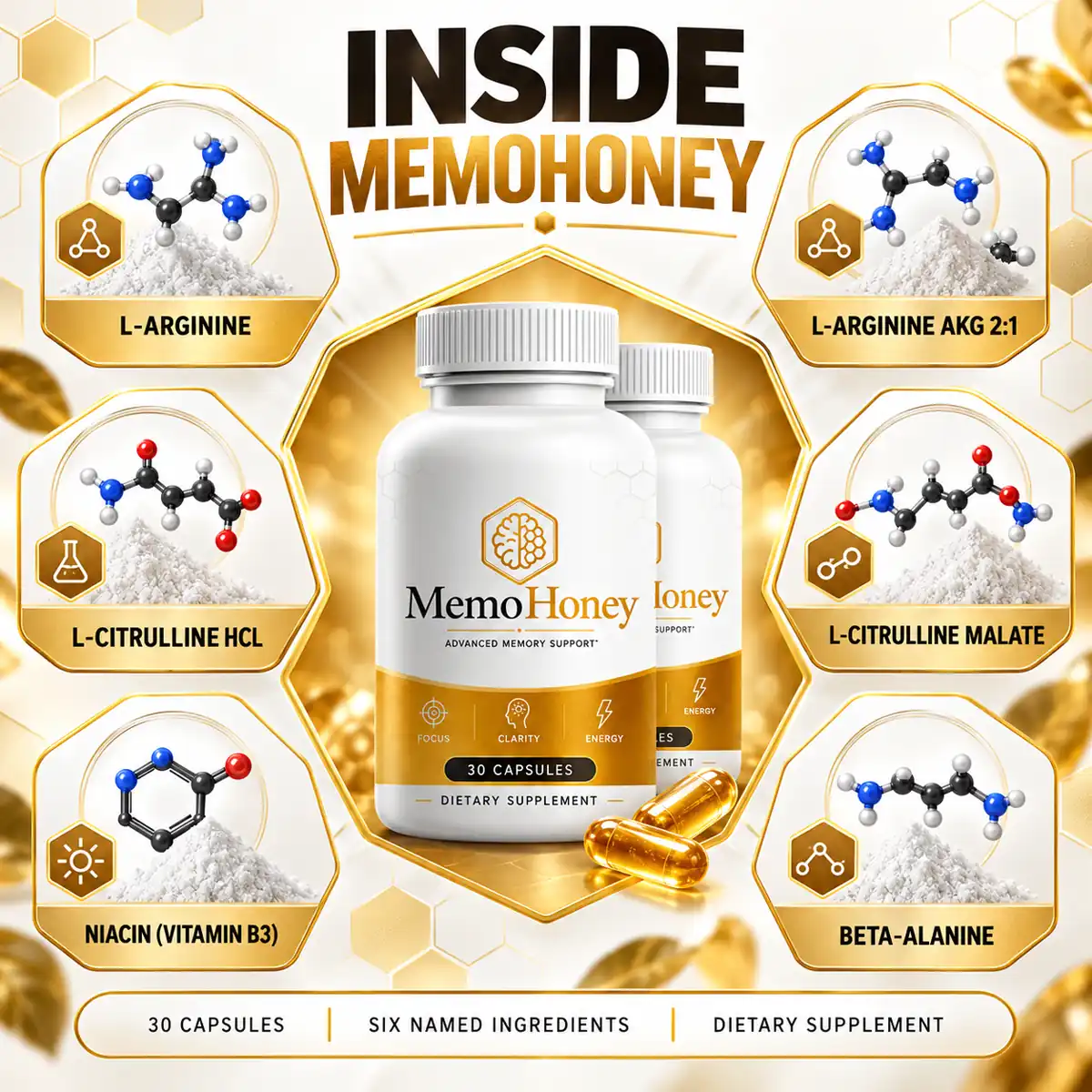
| Six ingredient names | Which materials the front and inside label name | The formula's dose, effect or suitability for a person |
This table is an interpretation of the supplied label and seller pack, not a laboratory report.
What a lot reference is for in a buyer's record
A good personal record is deliberately boring: keep the confirmation email, the delivery date, the lot printed on the item, and the exact question you asked. That makes a future conversation concrete. It also prevents a common mix-up, where a marketing page for a product family is treated as though it were a record for the bottle in a particular order.
The identifier is most useful when paired with a question that has a checkable answer. For example: does the seller have a document for this lot; does it name a date, laboratory or method; and is the document intended to describe the finished product rather than one raw ingredient? If a document is supplied, read the title, sample name, date, method and units before treating it as evidence for anything.
- Save a photo that shows the lot reference and front label together.
- Keep the order date and seller contact in the same note.
- Ask whether any document applies to the finished MemoHoney product, not only a raw material.
- Ask whether the document lists methods, measurements and the sample date.
- Use the 60-day purchase window according to the posted terms if the answer is not enough for you.
A reference is not an assay, dose or clinical result
Nothing on the MemoHoney pack provides a milligram amount for any of the six named ingredients. That gap matters before a lot reference is even considered. A reader cannot compare the contents of this capsule with a study dose when the label gives no amount. A filing code cannot fill that missing line by implication.
The same boundary applies to product outcomes. The supplied material does not show a clinical study of this MemoHoney formula. Published work on a named ingredient is not automatically work on a blend, and it is especially not a result for a blend whose individual amounts are unknown. The beta-alanine cognition trial cited on this site used 2.4 grams daily for ten weeks in its study population; it is not a trial of this bottle.
| Question | Evidence needed to answer it | Does the printed reference answer it? |
|---|---|---|
| Which record is being discussed? | A matching lot or certificate identifier | It can help |
| How much of an ingredient is present? | A stated amount or a product-specific analytical result | No |
| Was a finished product tested? | A report naming the sample, date, method and result | No |
| Will this improve memory or focus? | A relevant trial of this exact formula and dose | No |
The absence of a document in this pack is not proof that no record exists; it is a reason not to claim the record says more than is shown.
Ask clear questions before relying on the label
Consumer guidance from the NIH and NCCIH consistently points buyers toward product information, careful claims reading and conversations with a qualified clinician or pharmacist when a supplement could matter alongside medicines. That is practical advice here because five named MemoHoney ingredients sit around the nitric-oxide or exercise-supplement literature, while the precise amount of each is not printed.
A specific question is fairer to everyone than a demand for a conclusion. Ask the seller for the document connected to the reference, then decide whether the actual document contains enough detail for your purpose. Ask a clinician or pharmacist about compatibility when you use medicines that affect blood pressure, nitrates or PDE5 inhibitors. Those conversations cannot be replaced by a code on a label.
- Write down the lot and certificate reference exactly as printed.
- State whether you need a batch document, an ingredient amount or both.
- Check that any document names the finished product and the relevant lot.
- Read the measurement units and testing method rather than only the heading.
- If you are taking medication or have a health concern, ask the clinician who knows your history.
This desk has not seen a published certificate of analysis for MemoHoney. The two printed references are filing references, not laboratory proof.
Use the label as one part of a purchase decision
A product label can still be useful even when it is incomplete. MemoHoney tells a buyer that the bottle contains 30 capsules, is directed as one capsule in the morning before a meal, and names six ingredients. It also gives a lot and certificate reference worth preserving. The responsible next step is not to manufacture missing facts; it is to separate what the label says from what you would need to know.
For a buyer who values quantified ingredient amounts, a stated formula or published finished-product testing, the current pack does not provide those things. For a buyer who is comfortable assessing a seller's posted terms and asking follow-up questions, the two identifiers make that conversation easier. Either conclusion is more useful than treating a reference number as a seal of efficacy.
Read the MemoHoney label before you decide
The official product page is where the current purchase terms and 60-day window are shown. Keep the lot reference with any order record and decide from the evidence you can actually see.
Two bottles $158 · six bottles $294 · 60-day money-back guarantee
Order MemoHoney On The Official WebsiteOne capsule a day · 30 per bottle · lot MEM-26/ME-7725
When a record still leaves a question
There is no need to turn uncertainty into an accusation. A buyer may simply have a different evidence threshold from the information currently supplied. One person may only need a lot code to make an order query; another may need a finished-product laboratory report before considering a formula with undisclosed amounts. Both can say that plainly, without pretending the label already answers the unanswered question.
It also helps to separate a commercial choice from a health decision. The MemoHoney guarantee gives a buyer a period to use the seller's return process under its terms. It does not turn a product into a diagnostic test, and it does not make a product appropriate alongside every medication. A dated note, a label photograph and a clear question are more useful records than a memory of what a marketing page seemed to imply.
Finally, do not infer a missing result from an attractive reference format. A code can be real and still say nothing about ingredient quantity, contaminant screening, shelf life or an effect in people. Evidence has to be read at the level it exists. That habit protects a buyer from both inflated claims and from assuming a document is weak before seeing what it actually covers.
- Use a lot reference to identify a record, not to invent its contents.
- Match a document's product name, date and sample identifier before relying on it.
- Treat a missing amount as missing, even when ingredient names sound familiar.
- Keep health and medicine questions separate from a seller's customer-service record.
- Choose only after comparing the disclosed facts with your own evidence standard, carefully and without assumptions.
MemoHoney is a dietary supplement and not a treatment for anything. Memory that has changed in a way you or the people around you have noticed deserves assessment: thyroid disease, B12 deficiency, depression, sleep apnoea, untreated hearing loss and several ordinary prescriptions all present as forgetfulness and all of them are treatable. These statements have not been evaluated by the Food and Drug Administration.
References
- Using Dietary Supplements Wisely. National Center for Complementary and Integrative Health, National Institutes of Health. https://www.nccih.nih.gov/health/using-dietary-supplements-wisely
- Dietary Supplements: What You Need to Know. Office of Dietary Supplements, National Institutes of Health. https://ods.od.nih.gov/factsheets/WYNTK-Consumer/
- Ostfeld I, Ben-Zeev T, Zamir A, et al. Role of beta-Alanine Supplementation on Cognitive Function, Mood, and Physical Function in Older Adults; Double-Blind Randomized Controlled Study. Nutrients. 2023;15(4):923. PMID 36839281. https://pubmed.ncbi.nlm.nih.gov/36839281/
- Shiraseb F, Asbaghi O, Bagheri R, et al. Effect of l-Arginine Supplementation on Blood Pressure in Adults: A Systematic Review and Dose-Response Meta-analysis of Randomized Clinical Trials. Adv Nutr. 2022;13(4):1226-1242. PMID 34967840. https://pubmed.ncbi.nlm.nih.gov/34967840/